

How Dairy Products Impact Vibramycin Absorption
Imagine starting a course of Vibramycin to treat an infection, only to discover that your recovery slows down due to a simple breakfast choice. This happens more often than people realize, all because of the interaction between Vibramycin and dairy foods. Milk, cheese, yogurt, and other calcium-rich dairy products are more than nutritious foods—they may also bind to the antibiotic in your stomach.
This binding process forms complexes that your body struggles to absorb, sharply reducing the medication’s effectiveness. Doctors often advise patients to take Vibramycin either one to two hours before or after consuming dairy to maximize absorption. Below, you’ll find a quick guide illustrating which dairy items to watch out for and suggested timing for optimal results:
| Dairy Food | Recommended Timing After Vibramycin |
|---|---|
| Milk | 2 hours |
| Yogurt | 2 hours |
| Cheese | 2 hours |
Mindful meal planning can help ensure your antibiotic works as intended, supporting a smoother road to recovery.
Calcium-rich Foods: Surprising Interactions to Watch
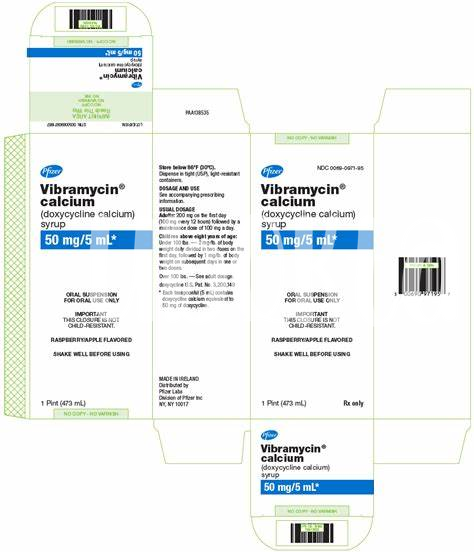
When taking vibramycin, you may be surprised to discover that some everyday foods can interfere with how well your medication works. Dairy isn’t the only culprit—foods high in calcium, like leafy greens, fortified juices, tofu, and even some breads, can also reduce the absorption of vibramycin in your body.
It’s best to avoid eating or drinking calcium-rich items within two hours before or after your medicine. By paying attention to these timing details, you give vibramycin the best chance to do its job effectively.
Iron-containing Foods and Their Unexpected Effects
Many people don’t realize that what you eat can truly affect how well vibramycin works. Iron is one of the main culprits—unexpectedly, it can bind to vibramycin inside your gut. This process, called chelation, forms a complex that your body can’t absorb efficiently. As a result, the antibiotic’s potency is significantly reduced, leaving you with less protection against infection.
Surprisingly, even common foods like spinach, red meat, fortified cereals, and beans can disrupt absorption if eaten too close to your medicine time. To get the best results from vibramycin, it’s usually recommended to separate iron-rich meals and the antibiotic by a couple of hours.
Antacids, Supplements, and Medication Timing Tips

Timing is everything when it comes to getting the most out of your vibramycin treatment. Many people don’t realize that common over-the-counter remedies for heartburn or indigestion can unexpectedly interfere with vibramycin absorption. If you take supplements like magnesium or zinc, these minerals may create a barrier, reducing the medication’s effectiveness. Make it a point to space out your doses—waiting at least two hours before or after taking these products can help your body absorb vibramycin much better.
Hydration Habits: the Role of Proper Fluid Intake
Staying consistently hydrated while taking vibramycin significantly supports your body in flushing out toxins and ensures the medication is processed efficiently. Water not only helps reduce the risk of esophageal irritation—a common side effect—but also aids in maintaining overall comfort during your course of antibiotics. It’s best to take vibramycin with a full glass of water, preferably while sitting or standing upright.
Dehydration can worsen side effects like nausea or headache, so regular fluid intake becomes even more important. Favor water over sugary or highly caffeinated beverages, as these can either interfere with absorption or exacerbate dehydration. Below is a quick guide for helpful hydration habits:
| Tip | Benefit |
|---|---|
| Take with a full glass of water | Prevents irritation, aids swallowing |
| Stay upright for 30 minutes | Reduces risk of esophageal discomfort |
| Avoid excessive caffeine | Promotes better hydration |
Alcohol and Caffeine: What to Watch Out for
Picture this: you’re midway through your day, sipping on your favorite coffee or winding down with a glass of wine. It might seem harmless, but when you're taking Vibramycin, these habits require a second thought. Alcohol can irritate your stomach lining, and when combined with Vibramycin, it may intensify gastrointestinal discomfort or upset.
Caffeine, often found in coffee, tea, and energy drinks, may not interact directly with the antibiotic, but it can aggravate side effects like nausea or restlessness. Being mindful of how much you consume is key.
For best results, moderate your intake of both substances and pay attention to any new symptoms while on Vibramycin.