

Symbicort Causes Dependence Separating Fact from Fiction
Many patients arrive worried that daily inhaled therapy will make them dependent. I often tell a small story: a neighbor who feared losing control found clarity when clinicians explained how inhaled steroids work, acting locally in lungs, not creating cravings.
Teh biology shows addiction requires brain reward pathways; inhaled anti-inflammatories don’t trigger those circuits. Stopping them may cause symptoms to reappear because inflammation returns, not because of any physiological craving or addiction.
Clinical trials and real-world studies show no addiction signal with regular inhaled maintenance therapy; the main concern is side effects at high doses. Regular check-ups let clinicians balance control and lowest effective dose.
If worry persists, discuss tapering or alternatives with your clinician rather than quitting abruptly. Using the medicine as prescribed prevents flare-ups and helps you live fully. Treatment is about managing inflammation, not creating dependence confidently.
Inhaled Steroid Risks Exaggerated Evidence Based Clarifications
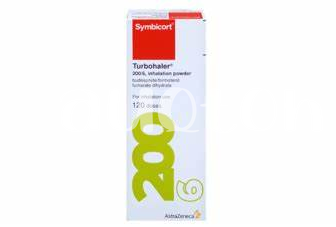
Patients often fear inhaled steroids because of dramatic headlines, yet clinical trials and decades of use show side effects are generally mild at therapeutic doses. Stories can be vivid, but evidence grounds expectations realistically.
Long term systemic risks, like bone loss or adrenal suppression, are rare with low dose inhaled therapy. Monitoring and using the lowest effective dose minimize risks, and inhaler technique affects delivered exposure more than rumors.
Remember that uncontrolled asthma itself raises serious risks. Using symbicort as prescribed reduces exacerbations, hospitalizations, and steroid bursts that carry higher systemic harm than routine inhaled therapy in most patients. Education on technique and regular reviews further lower potential side effects
Talk openly with clinicians about concerns; practical steps like spacer use, oral rinsing and periodic bone checks are simple. Teh result is confident control with measured, evidence-based decisions and followup
Using Symbicort Daily Long Term Safety Explained
I remember the day my doctor first explained why daily inhaled therapy can be reassuring rather than risky. He compared long-term control to tending a garden: regular, measured care prevents flare-ups and allows lungs to heal slowly. Clinical trials show low systemic exposure from modern inhaled steroids combined with a long-acting bronchodilator, and many patients who stick with symbicort experience fewer exacerbations and hospital visits over years.
Risks are real but often overstated: throat irritation, minor voice changes, or oral thrush can occur, yet good inhaler technique and rinsing the mouth reduce those risks. Serious side effects are uncommon at recommended doses; routine monitoring and periodic review make long-term use safe for most. Always discuss concerns with your clinician, and never stop or change doses without medical advice — that abrupt approach can trigger unwelcome setbacks. Occassionally review with your clinician.
Symbicort Versus Rescue Inhalers When to Use
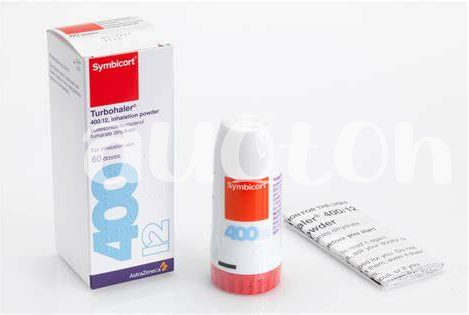
Teh evening my chest tightened, and I reached for symbicort because it’s my daily controller and it often eases breathing quickly.
Rescue inhalers deliver a fast bronchodilator effect for sudden attacks; controllers reduce inflammation and prevent flares when used consistently.
Clinicians recommend carrying a rescue inhaler always, using controller doses daily, and only using extra controller doses under medical advice to avoid confusion.
Clear action plans and proper inhaler technique improve outcomes; ask your clinician to clarify when to use each device and how to monitor response and adjust promptly.
Side Effects Myths Debunked with Clinical Data
Patients often hear alarming tales about inhaler side effects, but stories rarely include context. Recounts a patient relieved when research showed low systemic exposure from symbicort, shifting fear to understanding.
Teh trials compare inhaled steroid combinations to placebo and single-agent bronchodilators, showing most adverse events are mild. Oral candidiasis is reported but occurs in a small proportion and is preventable.
Large studies find minimal bone or eye effects at recommended doses. Pediatric trials noted small, typically transient growth changes that often stabilize with continued symbicort and careful monitoring.
Remember the real-world picture: benefits for control and fewer exacerbations outweigh uncommon risks. Talk to your clinician, report issues early, and perfect technique to minimize side effects.
Tips for Using Symbicort Correctly to Optimize Control
Think of your inhaler as a tool you master: practice technique, use a spacer if advised, and confirm proper breath timing so medicine reaches small airways and controls inflammation.
Keep a routine—same time each day helps prevent missed doses. Track symptoms and peak flow to link usage with control, and review action plans with your clinician regularly.
If you miss a dose, don’t double up; resume your schedule and contact your provider for guidance. Store inhaler away from heat and humidity to preserve dose integrity; Recieve training if unsure.
Clean the mouthpiece weekly, rinse your mouth after use to lower thrush risk, and carry a SABA rescue inhaler for sudden attacks when needed. NHS DailyMed