

The Serendipitous Discovery of Gabapentin
When German scientists first synthesized Gabapentin, they did not realize it would become a staple in the pharmaceutical world. Initially considered just another compound medication in their research labs, its true potential was yet to be uncovered. As the compound was examined further, its remarkable effects on the nervous system became apparent, sparking interest in its therapeutic applications. Although it wasn’t a stat discovery, both physicians and patients would soon begin to see its immense value.
The unexpected effects of the molecule led to rigorous clinical trials, opening doors to new medical frontiers. Researchers witnessed intriguing results, untangling a network of possibilities and proving it wasn't just another entry in a lab notebook. Researchers' diligence led to a comprehensive understanding, providing a building block for future pharmaceutical advancements.
| Year | Event |
|---|---|
| 1970s | Initial synthesis of the compound by German scientists |
| 1980s | Recognized for potential effects on the nervous system |
Over time, Gabapentin’s versatility became noticed, and as it gained popularity, many physicians began to prescribe it outside of its initial scope, acting as modern alchemists pursuing the transformation of illnesses into manageable conditions. This prescriptive adaptability showcased teh compound’s ability, further solidifying its place in medical practice worldwide.
Clinical Trials and Early Applications

In the begining stages of its development, gabapentin underwent rigorous clinical trials that shaped its path to common use as Neurontin. Researchers aimed to define its therapeutic potential beyond the original antiepileptic applications. As these trials unfolded, the compound medication began to show promise in treating various neuropathic pain conditions. The clinical success led to a growing recognition of its versatility. Pharmageddon days in medical communities were often marked by anticipation, as practitioners eagerly awaited the chance to prescribe this innovative script to those suffering from chronic pain.
Fda Approval: a New Era Begins
In 1993, a pivotal event marked the beginning of a new chapter for neurontin. As teh FDA granted its approval for the treatment of epilepsy, this breakthrough positioned neurontin as a promising solution in the pharmaceutical world. This approval was more than just a regulatory milestone; it represented a paradigm shift in how epilepsy treatment was perceived and managed. Suddenly, pharmacies across the nation were bustling with 'script renewals' and 'drive-thru' requests as patients eagerly sought this novel medication.
Before long, doctors began to notice neurontin's potential beyond epilepsy. They were witnessing something beyond expectation—a compound medication with versatility. Experiance showed that it could address nerve pain, leading to doctors prescribing it off-label for various conditions. This adaptability only increased its demand, cementing neurontin’s indispensable status. With the FDA's seal of approval, neurontin was no longer just a neurological remedy but a staple in modern medicine, becoming a cornerstone of patient care worldwide.
The Rise of Neurontin in Pain Management
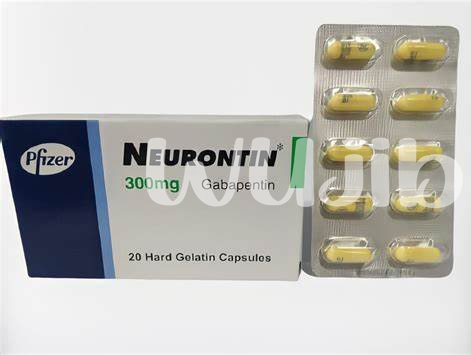
Neurontin's journey in the realm of pain management can be viewed as a transformative era, reshaping teh way chronic pain is treated. Initially, its use was aligned with anticonvulsant therapy, but healthcare professionals observed pronounced benefits in neuropathic pain relief. This "magic mouthwash" form of a previously niche drug surprised many in the medical community. As the understanding of pain mechanisms evolved, so too did the strategies for management, creating a path for Neurontin to emerge as a preferred choice in various therapeutic cocktails aimed at pain relief.
The rise in popularity was not merely a product of clinical success but also involved effective strategizing. Among physician circles, where a ‘drive-thru’ mentality towards prescriptions is often observed, Neurontin quickly gained traction. Pharm Techs found themselves managing significant influxes of prescriptions, during the notorious 'pharmageddon' days. With its comparatively low side-effect profile and strong patient outcomes, this compound medication quickly became an integral part of medical protocols.
Yet, its rapid ascension was not without complications. The healthcare system saw a spike in requests for this elixir, leading to a reevaluation of prescription practices. This, along with insurance dynamics like prior authorization and occasionally 'insurance rejects,' shaped its distribution landscape. Despite such hurdles, Neurontin’s role in pain management remains undeniably impactful, having a lasting global influence and contributing to evolving treatment paradigms.
Controversies and Legal Challenges Along the Way
Neurontin's journey has not been without disputes. Despite its growing use in the '90s, the drug became embroiled in controversies that were as complex as an intricate cocktail. Allegations arose of illegal marketing practices, where it was promoted for off-label uses without adequate proof of efficacy. This eventually led to high-profile lawsuits, exposing a darker side of the pharmaceutical industry.
The legal battles that followed highlighted a significant concern: how the promises made during a marketing push could overshadow the sig of ethical practices. Manufacturers faced hefty fines and scrutiny from the goverment, forever altering the industry's landscape.
| Year | Event | Outcome |
|---|---|---|
| 1996 | First Major Lawsuit | Increased industry awareness and tighter regulations |
| 2004 | Pfizer Settlement | $430 million fine |
These legal challenges were not just pharma drama. They pushed for greater transparency and accountability in how medications like Neurontin are marketed. The saga served as a wake-up call for industry leaders to balance profitability with patient safety, ensuring that drugs prescribed were truly beneficial and backed by sound clinical evidence.
Neurontin Today: Common Uses and Global Impact
In today's medical landscape, Neurontin has become a staple script among treatment protocols for neurological disorders and neuropathic pain. Initially developed as a tool in the arsenal against epilepsy, its off-label benefits have since gained popularity. From managing chronic pain to providing relief for restless leg syndrome, the compound medication's applications continue to evolve. This journey from anticonvulsant to multi-functional agent highlights both the adaptability and utility of Neurontin, making it a key player in patient care strategies globally.
The global impact of Neurontin's broad usage can be seen in various healthcare settings, where it is comming to the fore as an essential medication. Its inclusion in numerous formularies demonstrates its significance and benefits for those battling debilitating conditions. Despite ongoing debates around prescribing practices, its role in improving patient's quality of life is unquestionable, with its footprint extending far beyond its initial medical intent.