

Navigating Insurance Coverage for Tirzepatide Prescriptions
Start by checking your plan's drug formulary, tier placement, and prior authorization rules; coverage for this medication can differ greatly across insurers.
Talk with your prescriber early to assemble medical necessity notes and be ready to submit appeals if initial coverage is denied promptly.
Compare copays, deductible impact, step therapy, and out-of-pocket maximums; factor in prior authorization timelines and refill restrictions when estimating monthly costs and alternatives.
Document insurer calls, save benefit determination letters, and proactively consult pharmacists or case managers for coverage workarounds to minimize interruptions and unexpected bills.
Estimating Out of Pocket Costs and Hidden Fees
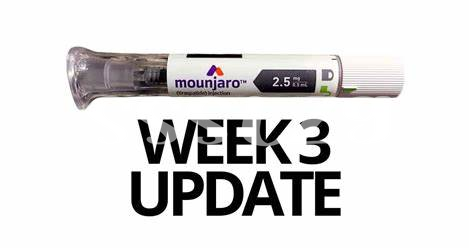
When the prescription arrives, the sticker shock can feel surreal; I learned to itemize every layer of cost—base drug price, dispensing fee, and insurance tiers—so mounjaro's real price stopped being a mystery. Tracking deductible progress and prior-authorization timelines turned surprises into predictable line items I could plan around.
Check receipts for hidden fees—shipping, injection supplies, and dispensing surcharges—and compare retail, mail-order, and specialty pharmacy pricing. Use insurers’ cost estimators, combine manufacturer coupons or patient-assistance programs when eligible, and reassess quarterly to keep mounjaro affordability aligned with your budget and goals.
Manufacturer Coupons, Copay Cards, and Savings Programs
When Maria received a mounjaro prescription she feared the cost. She checked the drugmaker’s site, verified eligibility, and saved a digital discount before heading to the pharmacy. Calling her insurer about coverage rules and prior authorization requirements avoided surprises. At checkout, asking whether the discount works at that pharmacy or requires a specialty fill proved crucial.
Keep records of approvals and receipts, note expiration dates, and confirm if your plan counts discounts toward deductibles. If an offer is denied, contact the prescriber or the manufacturer’s patient-support team and file a documented appeal. Small habits—timing refills, comparing retail and mail-order pricing, and checking nonprofit assistance—can sustain long-term affordability, and review copay-accumulator policies and plan changes regularly.
Patient Assistance Foundations and Eligibility Application Tips
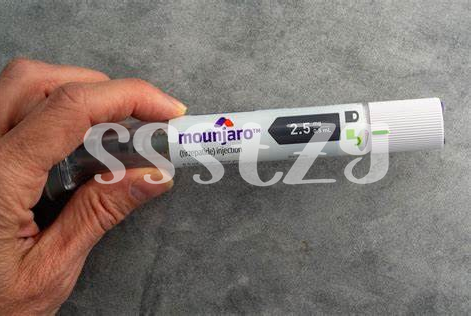
When I first navigated a maze of forms to afford mounjaro, a single phone call from a nonprofit changed everything. Many charitable programs target people without adequate insurance or with high out-of-pocket burdens; typical eligibility hinges on income, household size, and current coverage. Gather proof of income, recent tax returns, prescription details, a brief physician letter explaining medical necessity, and identification before applying to speed approval.
Start by compiling a shortlist of manufacturer and independent programs, then read eligibility rules carefully—some require U.S. residency or specific diagnosis codes. Complete applications fully, attach requested documents, and sign authorization forms to allow provider verification. Track submission dates, note case numbers, and follow up politely by phone or email. If denied, ask for reasons and appeal promptly; many approvals come after additional documentation or clinician outreach, or peer support specialists who can help.
Comparing Pharmacy Options: Retail, Mail Order, Specialty Pharmacies
Choosing where to fill a Mounjaro prescription can feel personal: a neighborhood retail pharmacy offers face-to-face counseling and immediate pickup, while mail-order services often reduce monthly copays and deliver convenient 90-day supplies. Specialty pharmacies focus on complex therapies with trained staff, shipment tracking, and assistance navigating prior authorization, all of which affect timing and access.
Compare prices, shipping fees, insurance contracts and return policies before committing. Ask about automatic refills, temperature-controlled shipping for injectables, and pharmacist support for side effects or injection technique. Small differences in pharmacy type can change adherence and long-term cost, so request a cost estimate from each option for an informed, budget-friendly choice. Also compare copay assistance availability and refill flexibility.
| Pharmacy | Strengths | Best for |
|---|---|---|
| Retail | Immediate pickup, face-to-face counseling | Same-day needs, in-person support |
| Mail-order | Lower per-fill cost, 90-day supplies | Stable regimens, convenience |
| Specialty | Therapy support, prior auth help | Complex meds and injectables |
Budgeting Strategies for Long Term Medication Affordability
I learned to treat medication like a monthly bill—tracking refill dates and costs so surprises vanish. Setting aside a dedicated savings buffer and syncing refills with paydays cut stress. Reviewing insurance annually and asking prescribers about dose-sparing options saved money without compromising care.
Compare retail, mail-order, and specialty pharmacies for best prices; factor shipping and prior-authorization timelines into planning. Use manufacturer coupons, copay assistance, and patient foundations when eligible, and build a six-month emergency fund to bridge coverage gaps—small, consistent steps keep long-term therapy sustainable. Revisit pricing and benefits regularly.