

Paralysing Parasites: Tubulin Binding and Disruption
Mebendazole latches onto parasite beta-tubulin, preventing normal microtubule assembly and collapsing the worm’s cytoskeleton. Without stable microtubules, intracellular transport stalls, ciliary and muscular coordination fail, and the organism loses its grip on host tissues. The effect is rapid immobilization: worms can no longer move or maintain structural integrity, making them vulnerable to host defenses and eventual expulsion.
At the cellular level mebendazole’s binding affinity for nematode tubulin is higher than for mammalian tubulin, explaining selective parasite toxicity. Disrupted microtubules also impair nutrient uptake and reproductive functions, starving and sterilizing worms over time. Clinically, immobilization precedes clearance: immobilized parasites detach and are removed by gut motility or immune mechanisms. Understanding this molecular blockade clarifies why low single doses can be effective against many helminths. This targeted disruption underpins rapid antiparasitic action and guides rational drug design strategies worldwide and public health.
| Target | Effect |
|---|---|
| Beta-tubulin | Inhibition of microtubule polymerization |
| Cell function | Impaired transport, motility, and attachment |
Starving Worms: Blocking Glucose Uptake and Energy
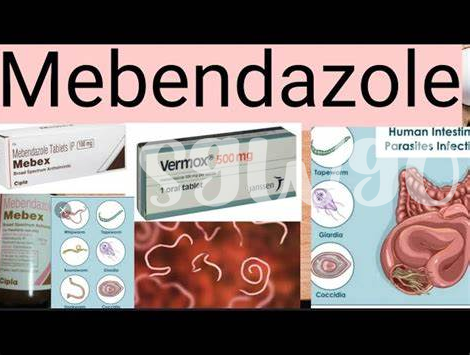
In the hostile gut environment, mebendazole sneaks into worms' cells and binds tubulin, but it also starves them by blocking glucose transporters. Without a supply of glucose, glycogen stores are rapidly consumed and metabolic pathways falter, leaving parasites unable to generate ATP for vital processes.
This energetic collapse undermines motility and attachment, causing paralysis and eventual expulsion or death. Clinically, the metabolic hit accelerates clearance and complements structural damage, making mebendazole broadly effective against intestinal helminths while limiting the time parasites remain viable. It reduces reproductive output significantly during treatment.
Selective Toxicity: Why Human Cells Are Spared
Imagine a microscopic battle where precision matters: mebendazole targets structures unique to worms, not people. This selectivity stems from subtle molecular differences and the parasite's reliance on rapidly turning-over cytoskeleton elements.
The drug binds parasite tubulin with higher affinity, disrupting their microtubules and halting cell division and nutrient transport. Consequently, mebendazole collapses worm architecture more readily than that of the host cells at therapeutic doses.
Human tubulin differs slightly in sequence and dynamics, and human cells also metabolize and sequester mebendazole, lowering exposure at sensitive sites. Additionally, mammalian repair pathways and drug transporters mitigate damage, preserving organ function even with systemic exposure.
The result is a therapeutic window where parasites are crippled while host tissues remain largely unharmed, explaining decades of safe clinical use. That margin enables effective dosing against helminths while minimizing side effects, underpinning its long clinical use.
Pharmacokinetics Snapshot: Absorption, Distribution, Metabolism, Excretion
Mebendazole is poorly absorbed orally; after a dose a small fraction enters circulation, concentrating in the gut where worms live. Absorption increases with fatty meals, but systemic exposure remains limited, which helps local efficacy and reduces systemic side effects.
Once absorbed, the drug distributes modestly to tissues and is extensively metabolized in the liver to inactive metabolites, then eliminated mainly via feces and to a lesser extent urine. This rapid first-pass metabolism and low plasma levels shape dosing strategies and safety considerations in clinical use. overall guiding safe prescribing decisions.
Resistance Mechanisms: How Worms Evade Treatment
Worm populations can adapt quickly, using genetic mutations and altered protein expression to blunt drug effects. Single-nucleotide changes in tubulin reduce binding affinity for mebendazole, while upregulated efflux pumps and enhanced detoxification enzymes export or neutralize compounds. These shifts often arise under subtherapeutic exposure, promoting survival of variants that withstand treatment pressure and seed resistant lineages.
Monitoring clinical failures and laboratory surveillance helps detect such trends early, guiding combination therapy or dosing changes to overcome resistance. Practical countermeasures include ensuring correct mebendazole dosing, avoiding repeated low-dose use, and integrating non-pharmacologic controls like sanitation. Research into novel anthelmintics and molecular surveillance remains essential to outpace evolving parasite defenses and preserve therapeutic efficacy alongside community education programs.
| Resistance Mechanism | Consequence |
|---|---|
| Tubulin mutation | Reduced drug binding |
| Efflux pump upregulation | Lower intracellular drug |
Clinical Uses and Dosing: Practical Treatment Insights
In clinic, mebendazole is relied on for common intestinal nematodes such as pinworm, roundworm, hookworm and whipworm, delivering predictable parasite clearance with short courses that fit outpatient management and worldwide low cost interventions in communities.
Dosing is pragmatic: a single 100 mg dose is used for pinworm, while other intestinal infections are treated with 100 mg twice daily for three days; retreatment at two weeks and household therapy reduce reinfection.
Safety is favorable, with mild gastrointestinal effects typical; mebendazole is avoided in the first trimester and used cautiously in pregnancy. Rare hepatic or hematologic toxicity may occur, so baseline testing and follow up are recommended.
Clinicians should confirm diagnosis when possible, consult local guidelines for age specific dosing, and consider alternative or combination agents for severe infections. Education on hygiene and community treatment further amplifies cure rates and prevents reinfection.