

Understanding Augmentin: Composition and Benefits
Augmentin is a powerful antibiotic formed by the combination of amoxicillin, a penicillin-type antibiotic, and clavulanate potassium, a beta-lactamase inhibitor. This composition enhances its effectiveness by overcoming resistance in bacteria that can inactivate amoxicillin alone. Clinically, Augmentin is valued for treating a wide array of infections, especially those in the respiratory tract, urinary tract, and skin. Its robust mechanism disrupts bacterial cell wall formation, making it a preferred choice when amoxicillin's efficacy might be compromised due to resistant strains.
| Component | Function |
|---|---|
| Amoxicillin | Penicillin antibiotic that kills bacteria |
| Clavulanate Potassium | Prevents bacterial resistance by inhibiting beta-lactamase |
Exploring Amoxicillin: Uses and Effectiveness
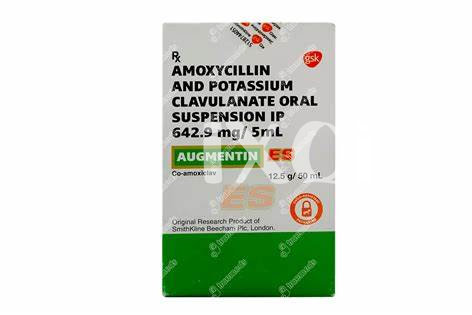
Amoxicillin, a stalwart in the world of antibiotics, is primarily employed to combat a variety of bacterial infections, including ear, nose, throat, skin, and urinary tract infections. Its effectiveness lies in its ability to inhibit the growth of bacteria by interfering with cell wall formation, rendering it a reliable choice for many common ailments. This penicillin-type antibiotic has been trusted for decades, providing relief to those afflicted with bacterial infections.
Despite its widespread use, amoxicillin is not a panacea for all bacterial infections. Some situations warrant the use of augmentin, a combination of amoxicillin and clavulanic acid. This blend enhances the drug's effectiveness against resistant strains of bacteria, making it a preferred option when infections persist or are caused by more defiant bacteria. Knowing when to use each can significantly improve patient outcomes.
The Science Behind Augmentin and Amoxicillin
Augmentin combines amoxicillin with clavulanic acid, a beta-lactamase inhibitor, enhancing its effectiveness against resistant bacteria. This dual-action formula surpasses amoxicillin's lone mechanism, which targets bacterial cell wall synthesis. Amoxicillin's straightforward action is ideal for non-resistant infections due to its ability to penetrate bacterial cell walls, disrupting their growth. However, when bacteria produce enzymes that inactivate amoxicillin, Augmentin's clavulanic acid component counteracts these enzymes, allowing amoxicillin to remain effective. Thus, Augmentin offers a broader antimicrobial spectrum, making it suitable for more complex bacterial challenges.
Side Effects: Comparing Augmentin and Amoxicillin

In comparing the side effects of Augmentin and Amoxicillin, it's essential to understand their unique impacts. Augmentin, with its combination of amoxicillin and clavulanate, might lead to gastrointestinal issues like diarrhea and nausea more frequently than amoxicillin alone. This occurs because the clavulanate component can irritate the gut lining. On the other hand, patients taking amoxicillin may also encounter side effects such as rash or itchy skin, especially if allergic.
Despite these potential discomforts, Augmentin can effectively tackle bacteria that resist amoxicillin, due to its enhanced formulation. While both antibiotics share common side effects like headaches and dizziness, monitoring individual responses remains crucial when prescribing treatments.
When to Opt for Augmentin over Amoxicillin
While both Augmentin and Amoxicillin are essential antibiotics, the choice between them often hinges on the complexity and resistance level of the infection. Augmentin, a combination of amoxicillin and clavulanate potassium, is particularly valuable against bacteria that have developed resistance to amoxicillin alone. By inhibiting beta-lactamase enzymes, Augmentin broadens the spectrum to tackle tough, resistant strains effectively.
| Condition | Preferred Antibiotic |
|---|---|
| Resistant bacterial infections | Augmentin |
| Simple bacterial infections | Amoxicillin |
For more aggressive or complicated infections, like certain skin or respiratory infections, Augmentin is the superior choice. Always consult a healthcare professional to guide this pivotal decision.
Cost and Accessibility Factors of Both Antibiotics
When it comes to the cost, Augmentin tends to be pricier due to its combination of amoxicillin and clavulanic acid, which helps in treating resistant infections. Amoxicillin, being a standalone antibiotic, usually comes at a lower price point, making it a more accessible option for individuals and healthcare systems mindful of budget constraints.
In terms of accessibility, both antibiotics are widely available and typically covered by insurance. However, the choice often depends on the specific bacterial infection and resistance patterns, with Augmentin reserved for more stubborn cases.