

Supplements That Complement Wakefulness and Improve Focus
I used to hit a mid-afternoon wall untill I found gentle aids that sharpened focus without the jitters. Low-dose caffeine paired with L-theanine creates calm attention, while rhodiola or bacopa can sustain mental stamina during long sessions.
Add B-vitamins and magnesium for steady energy; vitamin D supports mood — all subtle enhancers that reduce cognitive dips. Try adaptogenic support like ashwagandha cautiously, since it can calm too much. Prioritize hydration, sleep hygiene, and timed intake for best effects.
Start small, evaluate subjective clarity and task performance, and adjust. Keep logs of doses and side effects, and consult a clinician if you have medical conditions or take prescription stimulants. Small changes can yield noticable, sustained gains.
Amino Acids to Support Sustained Mental Energy

I remember mornings when coffee faded by mid-afternoon and tasks blurred; I began trying targeted amino acids that support neurotransmitter balance, creating a steadier cognitive baseline without jitters. The shift was subtle but reliable.
L-tyrosine helps replenish catecholamines during stress, while L-theanine smooths excitatory spikes and pairs nicely with stimulants like artvigil for sharper focus with less edge. Timing matters; take with food if jittery.
Acetyl-L-carnitine provides mitochondrial support and mental stamina, and smaller doses of branched-chain amino acids can reduce fatigue in prolonged work sprints. Hydration helps as well.
Start low, monitor effects, and aquire reliable sourcing; personal tuning often beats blanket dosing, and clinical consult is advised if you're combining supplements with prescriptions.
Choline Sources to Enhance Memory and Clarity
I once fought fuzzy mornings and scattered thoughts, hunting foods and stacks that worked. Egg yolks, soy lecithin, and citicoline deliver usable choline; combined with artvigil they can improve clarity and recall. Teh trick is balancing intake so benefits are steady not erratic.
Natural sources suit many: liver, cruciferous vegetables, and beans support acetylcholine production, while citicoline or alpha-GPC supplements provide targeted dosing for demanding tasks. Start low, track mood and sleep, and consult a clinician if mixing with stimulants or pre-existing conditions to Acommodate safe long-term use and patience
Adaptogens to Reduce Stress Without Compromising Alertness
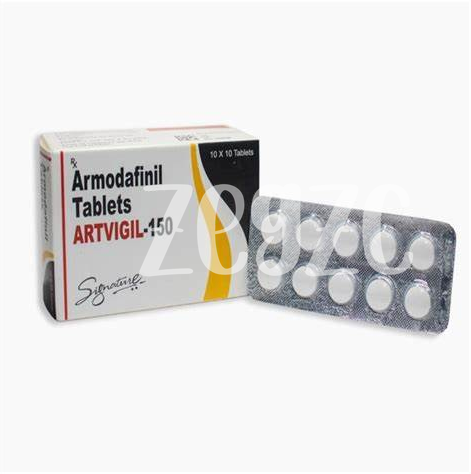
I remember a late night when a client mixed artvigil with a calming herb and reported sharp focus without jittery anxiety. That anecdote sparked my curiosity about natural allies which keep you steady and resilient.
Rhodiola, ashwagandha and bacopa often appear in stacks aimed at reducing stress while preserving wakefulness. Rhodiola uplifts energy, ashwagandha calms cortisol, and bacopa supports memory — combined they can smooth mental peaks and reduce rebound fatigue.
Mechanistically these herbs modulate the HPA axis and monoamines, reducing reactivity without sedation. Used thoughtfully alongside stimulants like artvigil, they can blunt stress-related crashes while maintaining attention during demanding tasks and supporting clearer decision making.
Teh practical advice: begin with single ingredients, low doses and a short trial window. Track mood, sleep, blood pressure and any jitteriness. Recomend professional review if combining with SSRIs, stimulants, or cardiovascular conditions and labs.
Vitamins and Minerals to Optimize Cognitive Function
Morning routines often include more than a pill; they are a narrative of intent. B vitamins (B6, B9, B12) support neurotransmitter synthesis and mood stability, while vitamin D modulates neuroinflammation and cognitive speed. Magnesium relaxes neural circuits and improves sleep quality, which potentiates daytime focus—especially useful for people stacking artvigil with nutrient support. Think of micronutrients as backstage crew: unseen yet indispensible to peak performance.
Iron and zinc influence attention and executive function, but testing matters—supplementation without deficiency can backfire. Antioxidant vitamins like C and E protect synapses from oxidative stress and may preserve clarity over time. Aim for food-first strategies: leafy greens, nuts, oily fish and colorful fruits supply concentrated doses alongside fiber. Consult a clinician for dosing and labs to balance benefits and avoid interactions, ensuring safety and measurable gains. Track changes and adjust supplements based on results.
Safety Guidelines for Interactions Dosing and Monitoring
Start by consulting your clinician; your medical history and current medications shape risk. Artvigil’s interactions can alter sleep, blood pressure, or mood.
Dosage should be individualized: begin low, monitor response, and avoid doubling without guidance. Never mix with alcohol or illicit stimulants.
Track effects and side effects in a journal — note headache, anxiety or insomnia. Reporting severe reactions is neccessary; seek prompt review.
Periodic labs and blood pressure checks help catch problems early. Balance benefit versus risk and adjust regimen as evidence and life demands evolve. Stay informed and cautious. PubChem - Armodafinil PubMed - armodafinil review