

How Bacteria Evade Ampicillin: Molecular Mechanisms
Clinicians often imagine antibiotics as swift swords, but bacteria sketch patient histories in molecular ink, rewriting drug targets and traffic patterns. Ampicillin faces a suite of evasions: enzymes that cut the beta-lactam ring, modified penicillin-binding proteins that lower drug affinity, and porin changes that reduce uptake. These adaptations arise through mutation, horizontal gene transfer, or selection in antibiotic-rich niches.
Key mechanisms include enzyme-mediated hydrolysis, target alteration, efflux pumps, and reduced permeability.
| Mechanism | Effect |
|---|---|
| Beta-lactamase | Hydrolyzes ampicillin |
| PBP mutation | Decreases drug binding |
| Porin loss and efflux | Lowers intracellular concentration |
Resistance spreads swiftly when selective pressure is sustained; ecosystems, from gut flora to hospital wards, act as reservoirs. Understanding these molecular tricks informs diagnostics and stewardship: rapid detection, targeted therapy, and limiting unnecessary ampicillin use can slow evolution and preserve treatment options for future patients and reduce morbidity globally in high-risk groups.
Clinical Consequences of Ampicillin Treatment Failure
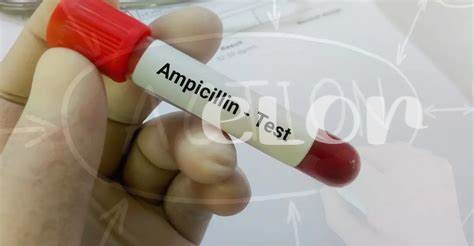
A failed course of ampicillin can turn routine infections into precarious clinical puzzles, surprising clinicians with worsening symptoms. Diagnostic delays compound clinical uncertainty further.
Treatment failure raises risks of complications: abscesses, bacteremia, prolonged fever, and organ dysfunction requiring intensive care. Surgical interventions become more likely in resistant infections.
Empiric escalations to broader antibiotics may be needed, increasing toxicity, costs, and selection pressure for multidrug resistance. Better diagnostics improve choices.
Delayed appropriate therapy correlates with higher mortality, longer hospital stays, and greater public health burden through transmission of resistant strains urgently.
Diagnostics and Surveillance to Detect Resistance Early
In a busy microbiology lab, a single culture can change a patient’s trajectory: rapid diagnostics flag resistance to ampicillin within hours, prompting clinicians to switch therapy before deterioration. This narrative urgency underscores why speed and accuracy matter for patient outcomes.
Combining phenotypic susceptibility testing with targeted PCR or whole-genome sequencing reveals mechanisms such as beta-lactamase production, efflux pumps, or permeability changes. Point-of-care assays and automated MIC platforms compress timelines, while standardized interpretive criteria ensure actionable results.
Integrated surveillance networks aggregate laboratory data to detect emerging ampicillin resistance trends and guide empiric therapy. Real-time dashboards, local antibiograms, and genomic outbreak tracing enable rapid public health responses and targeted stewardship interventions. Early detection shortens time to effective treatment, limits transmission, and preserves antibiotic utility for future patients. Routine data sharing between hospitals, public health agencies, and international partners closes the loop quickly.
Antibiotic Stewardship Principles to Preserve Ampicillin Effectiveness
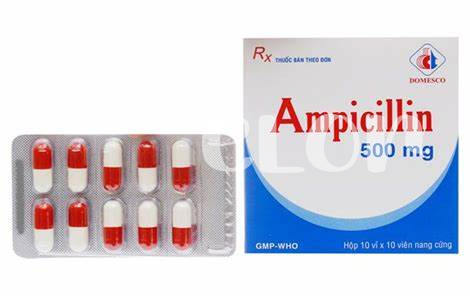
Stewardship starts as a story of choices at the bedside and in policy rooms: every prescription can either preserve or erode a drug’s power. Thoughtful diagnostic testing, narrow-spectrum selection and dose optimization turn momentary decisions into long-term protection.
Clinicians should prioritize accurate diagnosis, culture-guided therapy and de-escalation when pathogens are known; avoiding unnecessary broad-spectrum agents helps shield ampicillin utility. Hospitals benefit from multidisciplinary review, antibiograms and rapid diagnostics to guide timely, targeted treatment.
Education, audit-and-feedback and clear guidelines create a culture where restraint is valued and resistance rates fall. Paired with vaccination and infection control, stewardship is the practical roadmap to sustained antibiotic effectiveness. Investment in surveillance and research accelerates adaptive stewardship responses and policy.
Infection Control Practices That Limit Resistant Spread
A brisk hospital corridor hums with purpose as clinicians enforce simple barriers: hand hygiene, contact precautions, and environmental cleaning. These measures stop organisms that have acquired ampicillin resistance from travelling between patients, devices, and surfaces, turning routine care into a shield against silent transmission.
Rapid isolation of colonized patients, antimicrobial stewardship collaboration, and staff education close gaps where resistance spreads, and environmental services. Routine screening and targeted cohorting reduce outbreaks; clear communication and auditing build trust, ensuring ampicillin remains a viable option when susceptibility permits and safeguarding broader antimicrobial efficacy.
| Practice | Impact |
|---|---|
| Hand hygiene | Reduces cross-transmission |
| Patient cohorting | Limits outbreaks |
Future Directions: Novel Therapies and Preventive Approaches
Laboratories now design precision agents that neutralize resistance without disturbing commensals. Engineered enzymes, bacteriophage cocktails, and adjuvant small molecules can inhibit beta-lactamases or restore ampicillin binding, offering targeted alternatives to broad-spectrum therapy in clinical trials.
Vaccines and microbiome modulation present preventive strategies: conjugate vaccines against common pathogens reduce antibiotic use, while probiotics and fecal microbiota transplantation can outcompete resistant strains and restore colonization resistance in high risk populations and settings.
Rapid diagnostics accelerate appropriate therapy: point-of-care molecular tests and mass spectrometry can quickly identify ampicillin resistance genes, guiding narrow-spectrum prescriptions and reducing selective pressure for resistant organisms while integrated surveillance informs regional stewardship policies effectively.
Policy and investment must align: incentives for antibiotic research and development, streamlined regulatory pathways, and global data sharing will accelerate deployment of novel therapeutics and prevention programs, protecting ampicillin utility for future generations and communities.